

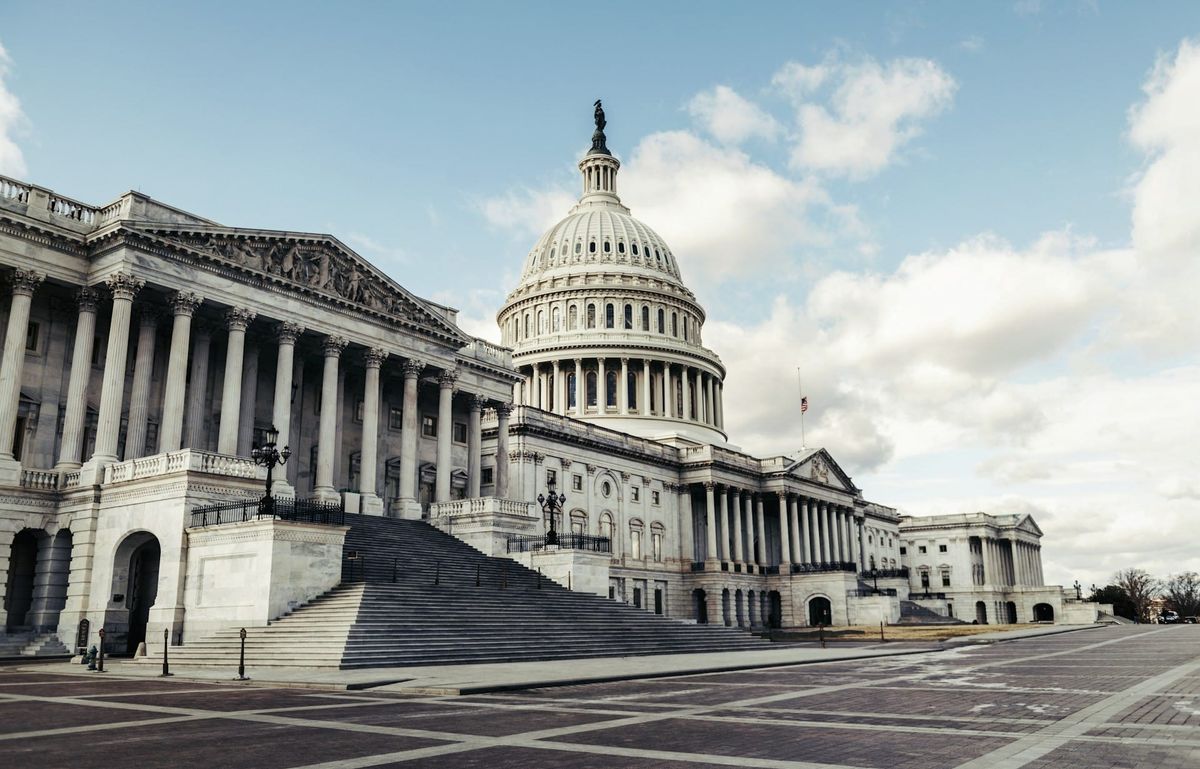
The votes are in, and Washington just got flipped on its head. Democrats won the Senate outright and are projected to take the House, ending two years of one-party rule and setting up a very different — and very gridlocked — Congress for the final two years of President Trump's second term.
Now here's the question every one of us is actually asking: what does this do to my money?
Not the horse race. Not the speeches. Your taxes, your 401(k), your Social Security check, your student loans. That's what this article is about — the five money shifts this election actually puts in motion, and the three moves worth making before the end of the year.
What happened, in 30 seconds
If you went to bed early Tuesday, here's the catch-up. The Associated Press, NBC News, CBS News and the Fox News decision desk all called Senate control for the Democrats. NBC projects they flipped Republican-held seats in Iowa, Kansas, Ohio, North Carolina, South Carolina and Texas — including Roy Cooper beating Michael Whatley in North Carolina, Annie Andrews defeating Darline Graham in South Carolina, and James Talarico beating Ken Paxton in Texas, the first Democrat to win a statewide race there in 32 years.
The House is projected to go Democratic too (NBC, CBS, ABC, Fox's desk and Decision Desk HQ all say so), though the AP hadn't made its own House call early Wednesday — so treat that one as nearly certain rather than official. Democrats needed a net gain of just three seats to cross the 218 threshold.
The new Congress gets sworn in on January 3, 2027, and Hakeem Jeffries is expected to become the first Black Speaker of the House. Exit polls told the real story: voters ranked the cost of living as their number one issue, and they voted like it.
1. Your taxes: probably nothing changes — and that's the point
Let's start with the headline most tax articles will get wrong. A split Congress doesn't mean your taxes go up or down. It means they're stuck.
Why? Any tax bill has to pass the House, pass the Senate, and get the president's signature. With Democrats running Congress and Trump in the White House, sweeping tax legislation is essentially dead on arrival. Goldman Sachs put it bluntly in its pre-election outlook: the probability of major fiscal policy changes over the next two years is low.
Here's what that means for you in practice:
- No surprise tax hikes — any new tax would need Trump's signature, which isn't happening.
- No surprise tax cuts either — the same gridlock works in reverse.
- The 2027 tax brackets still haven't been released. The IRS Revenue Procedure with the official 2027 brackets and standard deduction is expected any day now (historically it drops in November). When it lands, that's the number to plan around — not campaign promises. The projected standard deduction is about $16,600 single / $33,200 joint.
- The $6,000 senior deduction from the "One Big Beautiful Bill" still has no detailed IRS guidance. That's now unlikely to get clarified through legislation — watch for IRS rules instead.
Bottom line: plan your 2026 taxes using the rules that exist today, not the ones anyone campaigned on. The old rule still works — max out what you can, harvest losses where you have them, and don't wait on Washington to save you money.
2. Your 401(k) and retirement savings: gridlock is oddly calming
Wall Street has a saying: gridlock is good for stocks. The logic is simple — when the two parties can't agree on anything, they also can't do anything disruptive. No sweeping tax overhaul, no surprise regulation, no radical spending spree. Markets tend to like the predictability.
That doesn't mean smooth sailing. There are two things that could still rattle your portfolio:
- The debt ceiling fight in early 2027. Congress will have to raise or suspend it in the first quarter of 2027, and divided government makes these standoffs messier. Expect headlines, maybe some volatility — but these always get resolved at the last minute.
- The December Fed meeting. The Fed held rates at 3.75%–4.00% on October 28 and meets again December 8–9, with markets pricing in a possible hike. That's the real near-term risk to your mortgage and savings rates — not the election.
What should you actually do? Nothing dramatic. Keep your 401(k) contributions on autopilot, keep your asset allocation where it is, and don't panic-sell on political headlines. The IRS still hasn't published the official 2027 contribution limits either — when that notice drops, it's worth a look to see if you can bump your contributions.
3. Social Security and Medicare: the checks are safe
This is the one retirees worry about most, so let's be direct: your Social Security check is not changing because of this election.
The 2027 Social Security COLA was already set at 3.6%, and no election result can undo that. Bigger benefit changes need 60 votes in the Senate, which neither party has — so a Social Security overhaul is off the table for at least two more years.
Where Congress might actually move:
- ACA premium tax credits. Democratic leaders have said extending the enhanced Affordable Care Act subsidies is a priority. If you're retired but under 65 and buying insurance on the exchange, this one hits your wallet directly.
- Medicaid. There's talk of reversing Medicaid cuts from the last Congress. That matters most for lower-income retirees and nursing-home coverage.
- Medicare premiums. The 2027 Part B premium still hasn't been announced by CMS (expected mid-November). The election doesn't change that math — but the cost-of-living raise minus the premium is the number retirees should watch.
4. Student loans: the train has already left
If you're hoping a Democratic Congress will bring back the SAVE plan or undo the student loan changes from the big budget bill — don't hold your breath.
The SAVE wind-down, the new Repayment Assistance Plan, the IBR rule changes: those are already law. Repealing them would require the president's signature, which won't happen. The servicer transitions keep rolling — the first wave of SAVE borrowers already got auto-enrolled on October 29, and more waves are coming through next spring.
Where a Democratic Congress can matter is oversight — hearings on servicer errors, pressure on the Department of Education over the application backlog. That's cold comfort if your payment just tripled, but it does mean sloppy servicers get more scrutiny.
Practical takeaway: whatever plan you're on, act like the current rules are permanent — because for the next two years, they basically are. If you haven't picked a replacement plan yet, do it now rather than waiting for politics to rescue you.
5. Health insurance and everyday costs
The sleeper issue of this election was affordability — and it's where Congress might actually do something. Reversing tariff policy is on the Democratic agenda, and tariffs are one reason everyday prices have been climbing. Any rollback would take months to show up at the checkout, but the direction matters.
For early retirees and the self-employed, the ACA tax credit extension is the one to watch. Those enhanced credits are what keep many marketplace premiums affordable, and their fate gets decided in this Congress.
3 money moves to make before New Year's
Elections are noise. These three things are signal — and the clock on all of them runs out December 31:
1. Lock in your 2026 tax moves now. Gridlock means the current tax rules are the rules. If you're 73 or older, your required minimum distribution is due December 31 — missing it triggers a brutal 25% penalty. Don't let election headlines distract you from the deadline that actually bites.
2. Review your retirement contributions. You still have weeks to top up your 2026 401(k) or IRA. When the IRS publishes the official 2027 limits, adjust for January. Boring? Yes. Effective? Also yes.
3. Check your health coverage. Medicare open enrollment ends December 7, and the ACA marketplace has its own deadline. If the enhanced tax credits get extended, great — but shop as if they won't be.
Frequently asked questions
Will my taxes go up now that Democrats won Congress?
Almost certainly not. Raising taxes requires a bill that passes both chambers and gets signed by the president — and with Trump in the White House, that's not happening. The bigger risk to your wallet is assuming tax law will change and planning around a fantasy. Use the rules on the books today.
What does the election mean for my 401(k)?
In the short term, very little — your investments don't care who holds the gavel. Historically, markets have done fine under divided government because gridlock removes the risk of sudden policy shocks. The real thing to watch is the debt ceiling fight in early 2027, which could cause temporary volatility. Keep contributing, keep your allocation, and ignore the headlines.
Will Social Security benefits change under the new Congress?
No. The 2027 COLA of 3.6% is already locked in, and any structural change to Social Security needs 60 Senate votes, which doesn't exist. Your checks, your payment dates, your Medicare — all unchanged by this election.
Does the midterm result change my student loan repayment plan?
No. The SAVE wind-down and the new repayment rules were passed into law before this election, and a Democratic Congress can't repeal them without the president's signature. If you were auto-enrolled after missing the SAVE deadline, you're still on that plan — but you can switch to IBR or the new Repayment Assistance Plan through your servicer or studentaid.gov.
When does the new Congress take office?
January 3, 2027. Until then, the current Congress handles the December 11 spending deadline and any year-end business. Nothing about your money changes between now and January — the practical effects of divided government show up in 2027.
Here's the honest summary: this election changed who argues in Washington, not what's in your bank account. The smart money move today is the same one it was yesterday — handle your year-end deadlines, keep investing steadily, and don't make financial decisions based on campaign slogans. The gridlock is the feature, not the bug.
What do you think — will divided government actually help your wallet, or just mean two more years of nothing getting done? Drop your take in the comments.
Disclaimer: This article is for general information only and is not financial, tax, or legal advice. Tax laws and benefit rules are complex and change over time — consider speaking with a qualified professional about your specific situation.


0 Comments